
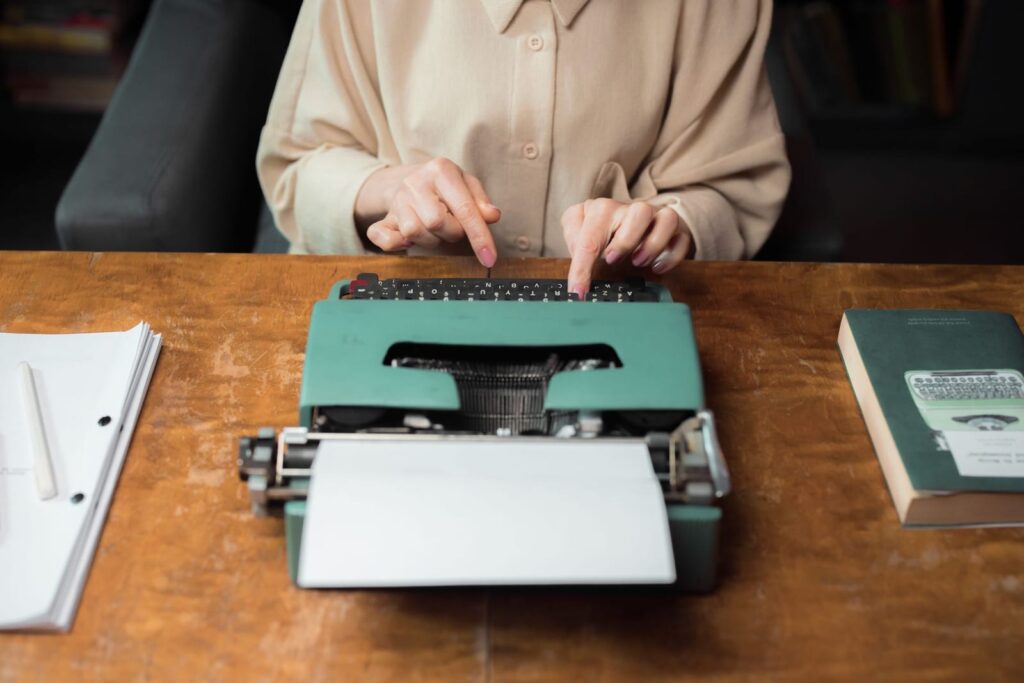
A short film script looks simple: a handful of pages, a few scenes, a couple of characters. In practice, short scripts are some of the hardest to write well, because there is no room for anything that does not earn its place. Every line, every scene and every moment has to move the story forward. The upside is that a short script is also the best possible training ground for a screenwriter, and the foundation of almost every successful short film. Here is how to write one.
Know how long it should be
In standard screenplay format, one page roughly equals one minute of screen time. That rule of thumb is not exact, since action heavy pages play faster and dialogue heavy pages slower, but it is close enough for planning. Most short films that do well at festivals run somewhere between 5 and 15 minutes, so a script of 5 to 15 pages is a sensible target. Shorter films are easier and cheaper to produce, and they are often easier for festival programmers to fit into a schedule.
Start with one clear idea
The most common mistake in short scripts is trying to fit a feature film into ten pages. A short works best when it focuses on a single, clear idea:
- One character with one strong want or problem.
- One situation that puts pressure on them.
- One moment of change, a decision, a revelation or a reversal.
Try to express your film in a single sentence, often called a logline: who the character is, what they want and what stands in their way. If you cannot do this, the idea probably needs more focus before you start writing scenes.
Write for the resources you have
If you plan to make the film yourself, write with production in mind from the start. Every location, actor, prop and special effect adds cost and complexity.
- Limit the story to a small number of locations, ideally ones you can access for free.
- Keep the cast small.
- Avoid crowds, period settings, stunts, animals, children at night, weather effects and car chases unless you have the resources to do them properly.
- Think about the time of day. Night exteriors are harder and more expensive to shoot well.
These constraints are not limitations on creativity. Some of the most memorable short films take place in a single room.
Structure the story
Shorts still need a beginning, middle and end, even if each is only a page or two long.
- Setup: introduce the character and their world quickly. Start as late as possible, ideally in the middle of something already happening.
- Complication: something disrupts the situation and forces the character to act.
- Escalation: the pressure builds, and the stakes rise.
- Turn: a moment of change or revelation.
- Resolution: a final image or moment that lands the idea. Many strong shorts end shortly after the turn, trusting the audience to feel its meaning.
Show, do not tell
Film is a visual medium. Rather than having characters explain how they feel, show it through actions, choices and images. A character who carefully sets two places at a table and then clears one away tells us more than a line of dialogue about loneliness. Look for moments where a gesture, an object or a look can replace a speech.
Keep dialogue lean
- Cut greetings, small talk and anything that repeats what the audience already knows.
- Let characters avoid saying what they mean. Subtext is more interesting than explanation.
- Read every line aloud. If it sounds unnatural spoken, rewrite it.
- Give each character a distinct way of speaking.
Use proper screenplay format
Standard format makes a script easy to read and easy to schedule. It includes scene headings (for example, INT. KITCHEN, NIGHT), action lines in the present tense, character names above dialogue and occasional parentheticals. Use a 12 point Courier style font and standard margins. Screenwriting software handles most of this automatically, and there are free options available, so there is no need to format by hand.
Write action lines that are short and visual. Describe what we see and hear, not what characters are thinking, and avoid camera directions unless they are essential to the story.
Rewrite, then rewrite again
The first draft is where you discover the story; the rewrites are where you make it work. After finishing a draft:
- Put it aside for a few days, then read it with fresh eyes.
- Ask whether every scene is necessary. If you could cut a scene without losing the story, cut it.
- Check that the character’s want and the moment of change are clear.
- Look for the strongest possible opening and closing images.
Get feedback and hold a table read
Share the script with people whose opinions you trust, ideally including other writers and filmmakers. Then organize a table read with actors, even informally. Hearing the script out loud reveals clunky dialogue, confusing moments and scenes that drag in a way that silent reading never does.
From script to screen
A finished short script is a blueprint. Once you are happy with it, you can begin planning the shoot. Our guide on how to shoot a short film walks through the production side, from preparation to wrap.