
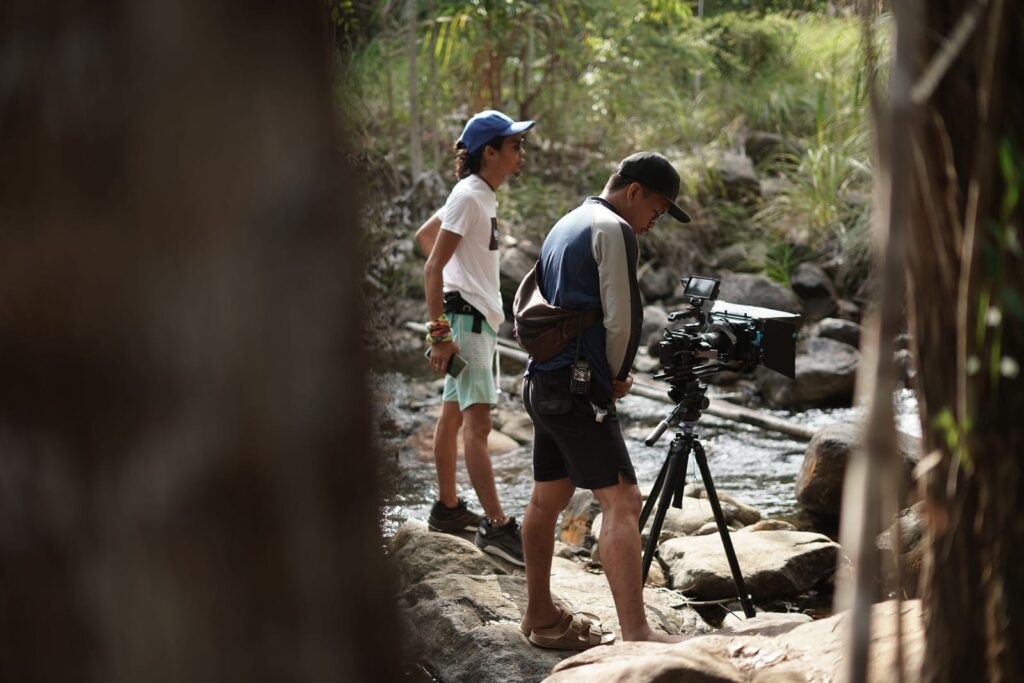
Ask ten filmmakers how much it costs to make a short film and you will get ten different answers. Some shorts are made for almost nothing with a phone and a group of friends; others cost as much as a small feature. The honest answer is that the cost depends on your script, your crew, your location and how many favors you can call in. What you can do is understand where the money goes, so you can build a realistic budget and spend it where it matters most on screen.
Typical budget tiers
The ranges below are rough, commonly cited ballparks rather than fixed prices. Costs vary enormously by country, city, union rules and how much is donated or borrowed.
| Tier | Rough range | What it usually looks like |
|---|---|---|
| Micro budget | Under $1,000 | Friends as cast and crew, owned or borrowed gear, free locations, one or two shoot days |
| Low budget | $1,000 to $10,000 | Some paid key crew, rented equipment, modest location fees, catering, insurance |
| Mid range indie | $10,000 to $50,000 | Experienced paid crew, professional actors, several locations, proper post production |
| High end short | $50,000 and up | Union cast and crew, complex locations, visual effects, period settings or stunts |
Where the money goes
Development and pre production
- Script development and rewrites, if you are hiring a writer.
- Casting, including audition space and casting platforms.
- Location scouting, travel and permits.
- Production insurance, which many locations and rental houses require.
Cast and crew
People are often the biggest single cost. Even on low budget shorts, it is good practice to pay key roles, such as the cinematographer, sound recordist and lead actors, whatever you can afford. Actors who are members of a union may work under specific agreements for short and student films, which set minimum rates and conditions. Check the rules of the relevant union in your country before casting.
Equipment
- Camera, lenses and support (tripod, gimbal, dolly).
- Lighting kit and grip equipment.
- Sound kit: microphones, recorder, boom pole.
- Hard drives for footage and backups.
Many cinematographers own their own kit and include it in their rate, which can be cheaper than renting separately.
Locations
Some locations are free, especially if you ask friends, family or local businesses. Others charge daily fees. Public filming may require a permit from your city, which may have its own fee and insurance requirements.
Production design, costume and makeup
Props, set dressing, wardrobe and makeup make a huge difference to how professional a film looks. Borrowing, thrifting and asking cast to bring their own clothes can keep this affordable.
Food and transport
Feeding your cast and crew well is non negotiable, especially if they are working for low or no pay. Budget for meals, snacks and water for every shoot day, plus fuel, parking and transport for equipment.
Post production
- Editing, if you are not editing yourself.
- Color grading.
- Sound design, dialogue editing and the final mix.
- Music: licensing an existing track, commissioning an original score or using royalty free music.
- Visual effects and titles.
- Subtitles and deliverables such as festival screening files.
Post production is often underbudgeted, and it is where a film’s final quality is decided. Do not spend everything on the shoot.
Festivals and distribution
Festival entry fees add up quickly if you submit widely. Budget for submissions, screening copies and, if possible, travel to at least one festival where your film is selected.
Contingency
Set aside around 10 percent of your total budget for the unexpected: an extra shoot day, a broken piece of equipment or a location that falls through.
What drives costs up
- More shoot days. Each additional day adds crew, equipment, food and location costs.
- More locations and company moves between them.
- Night shoots, weather effects, stunts, vehicles, animals and children.
- Period settings that require specific costumes, props and locations.
- Visual effects and licensed music.
How to make a short film for less
- Write for your resources. One or two locations, a small cast and a script you can shoot in one to three days.
- Keep it short. A tight 8 minute film is cheaper to make and often more effective than a 25 minute one.
- Plan meticulously. Detailed shot lists and schedules prevent expensive overruns.
- Borrow and barter. Equipment, locations, props and skills can often be exchanged rather than bought.
- Use film schools and community groups to find crew who want experience and credits.
- Consider crowdfunding and grants. Many regions and arts bodies offer funding for short films.
Build your own budget
Start with your script, break it down scene by scene, list everything each scene needs, then price every item. Compare the total with the money you actually have and adjust the script or plan until they match. A realistic budget protects your film, your team and your finances. For the production itself, read our guides on how to shoot a short film and the best indie filmmaking cameras.